Sean Andrew Chen

The Empty Storefront

Form, Regulation, and Transaction on New York City's Streets

Which storefronts in New York City sit empty, and why? Do the things planning controls — the city's form, its zoning, and its streets — decide which storefronts stay vacant?
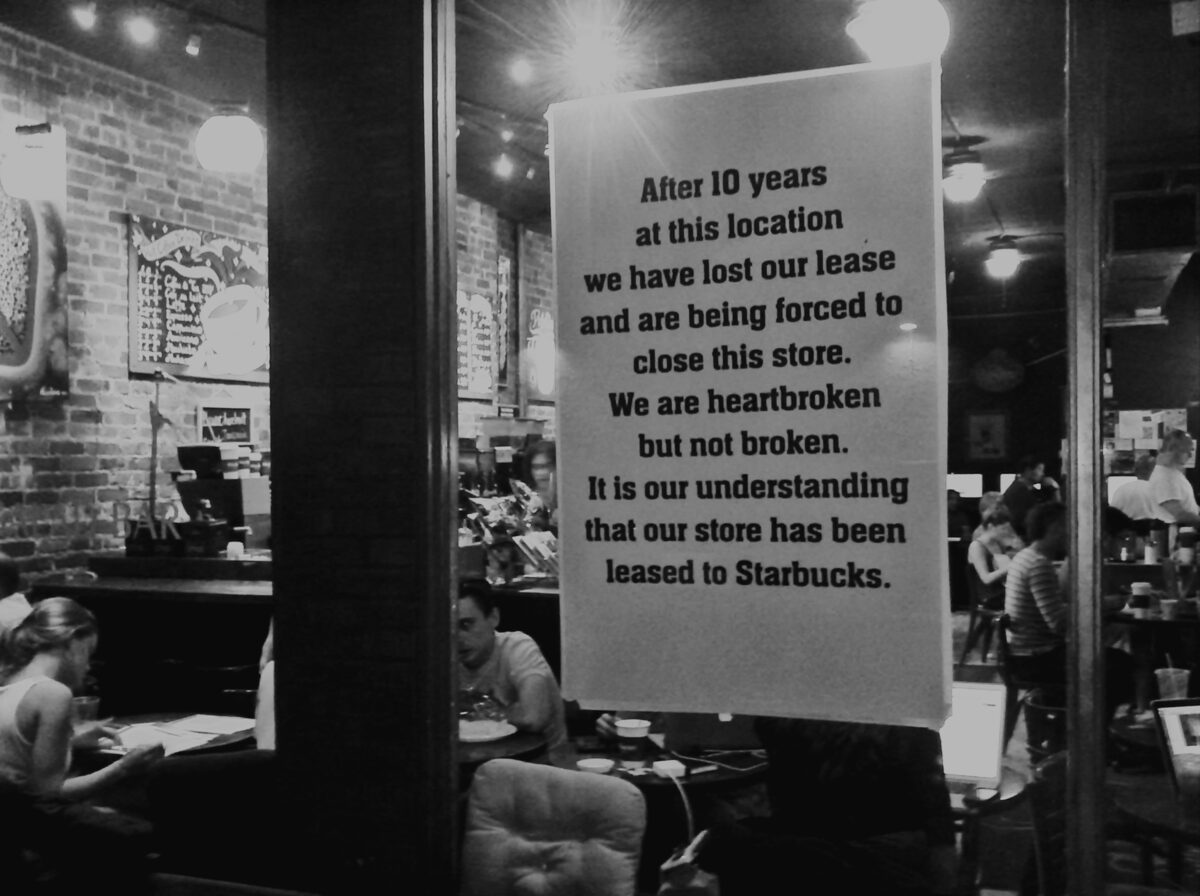
A closed coffee shop with notices in the window, in black and white.

Photo: David Shankbone / Wikimedia Commons / CC BY 3.0 / Adapted

01

Sorting, Scarring, and Contagion

The Dynamics of Storefront Vacancy in New York City

Does storefront vacancy spread from one storefront to its neighbors? Does sitting empty make a storefront harder to fill? Or do the same places stay vacant because of what and where they are?
  • Working paper
  • AAG 2027, New York
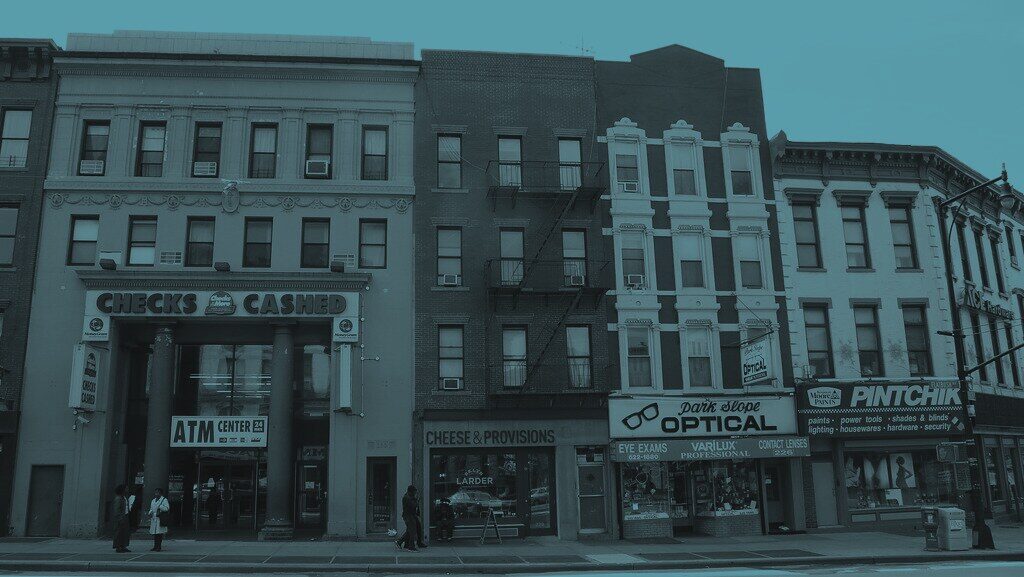
A row of small storefronts on Flatbush Avenue, in teal duotone.

Photo: rutlo / Flickr / CC BY 2.0 / Adapted

02

Vitality Is Not Viability

Urban Form, Street Activity, and Storefront Survival in New York City

Does urban form reach storefront survival and vacancy through the street activity it creates?
  • Working paper
  • ACSP 2026, Pittsburgh
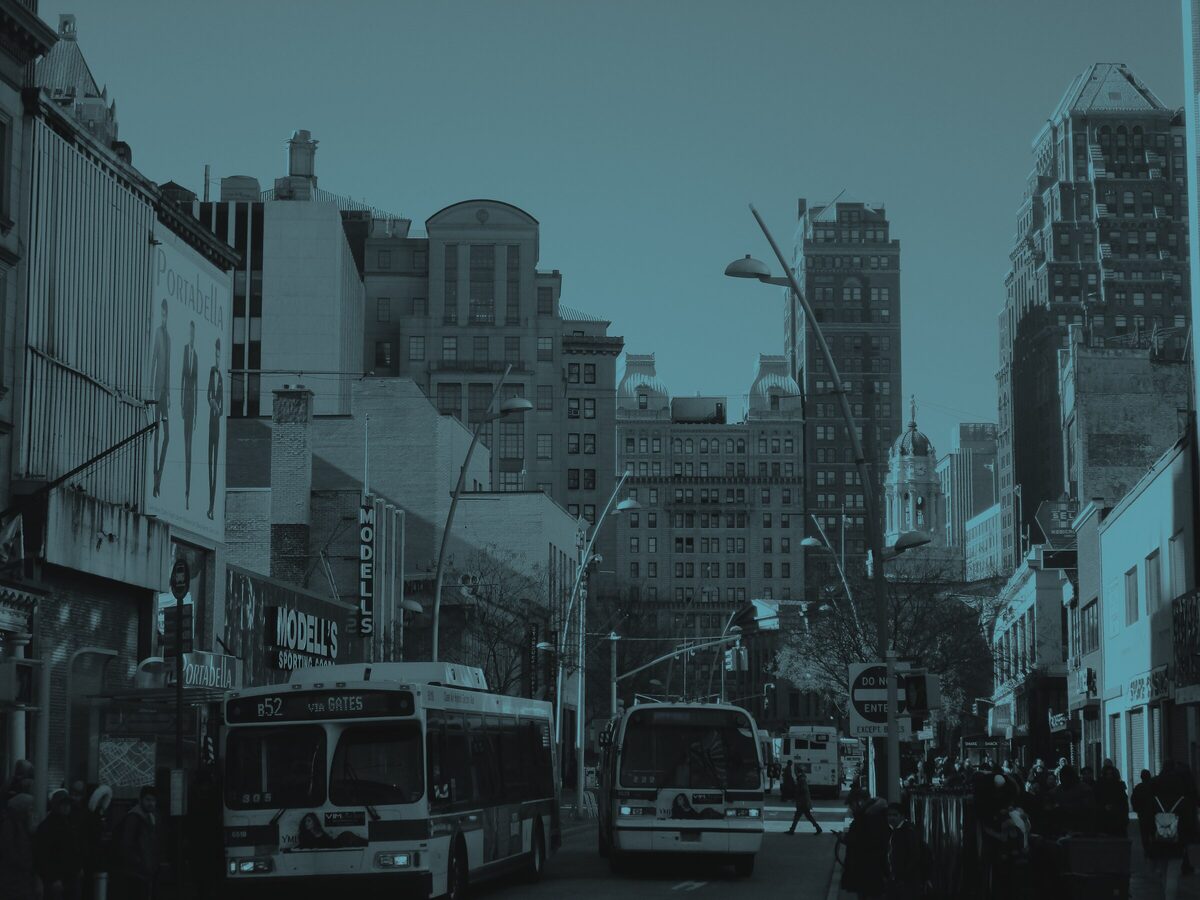
Fulton Mall in Brooklyn, a retail street, in teal duotone.

Photo: TheTTGuy / Wikimedia Commons / CC BY-SA 4.0 / Adapted

03

Paper Rules

Mandates, Permissions, and the Non-Bindingness of Ground-Floor Zoning in New York City

Do ground-floor mandates, which keep a storefront from converting to housing, lock in vacancy? Do broader permissions, which widen the businesses allowed to move in, fill it? Does ground-floor zoning bind at all?
  • Working paper
  • APPAM 2026, Boston
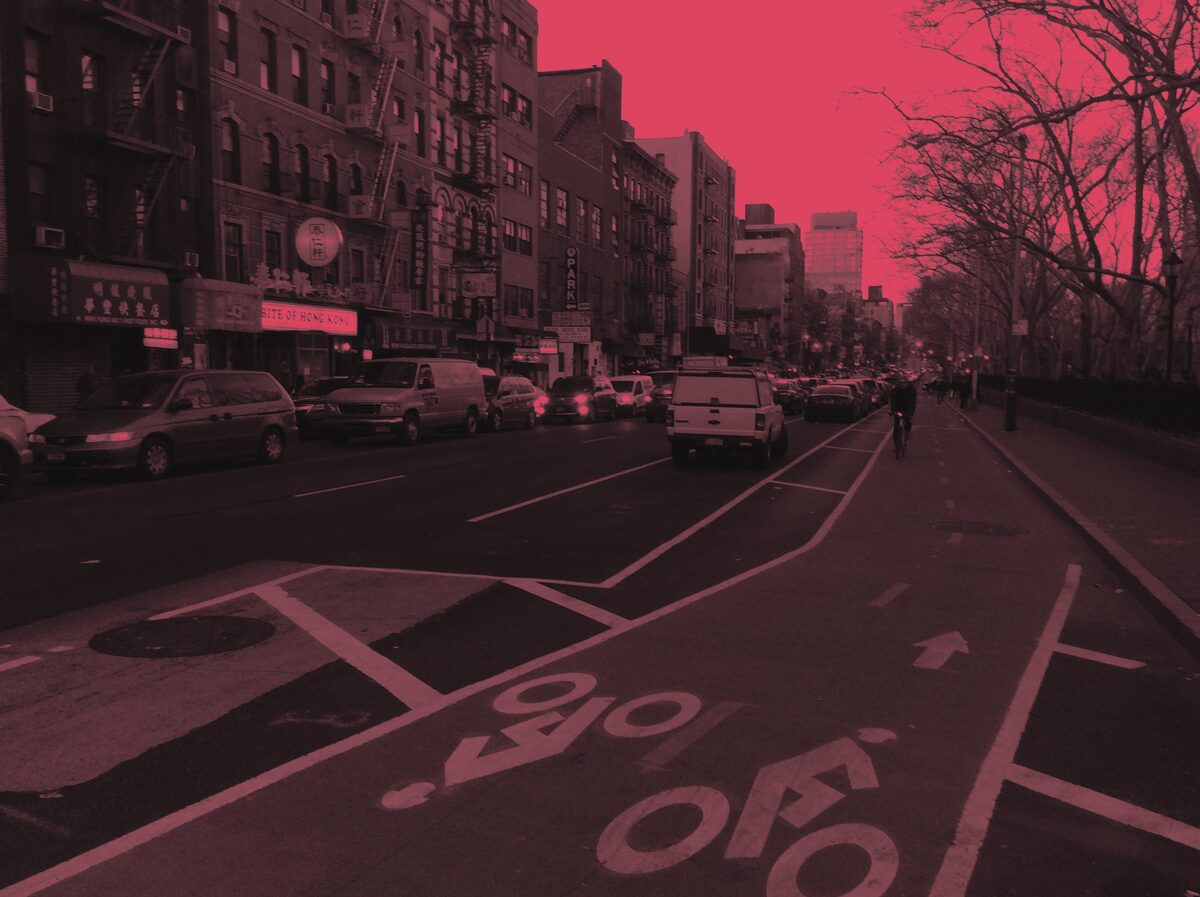
The protected bike lane on Chrystie Street at Hester Street, in crimson duotone.

Photo: Epicgenius / Wikimedia Commons / CC BY-SA 4.0 / Adapted

04

Street Space Reallocation and Storefront Vacancy

Bike Lanes and Pedestrianization in New York City

When a city takes street space from cars and gives it to bikes and pedestrians — bike lanes, closed streets, plazas — does storefront vacancy change? And does more space reallocated mean a bigger change?
  • Working paper
  • APPAM 2026, Boston